The Summer Milky Way

The Summer Milky Way

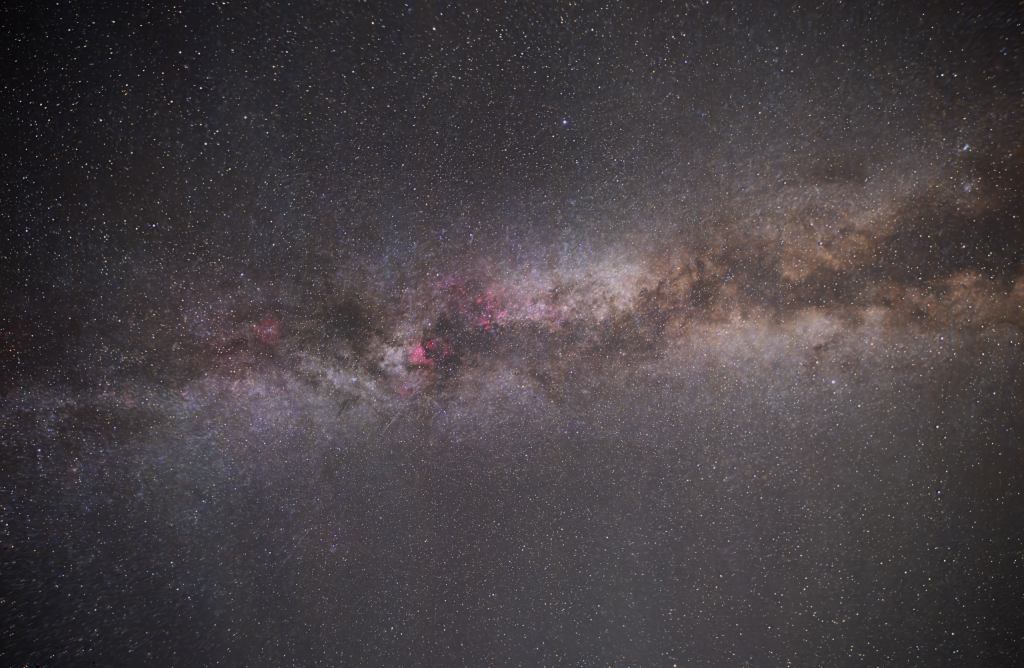
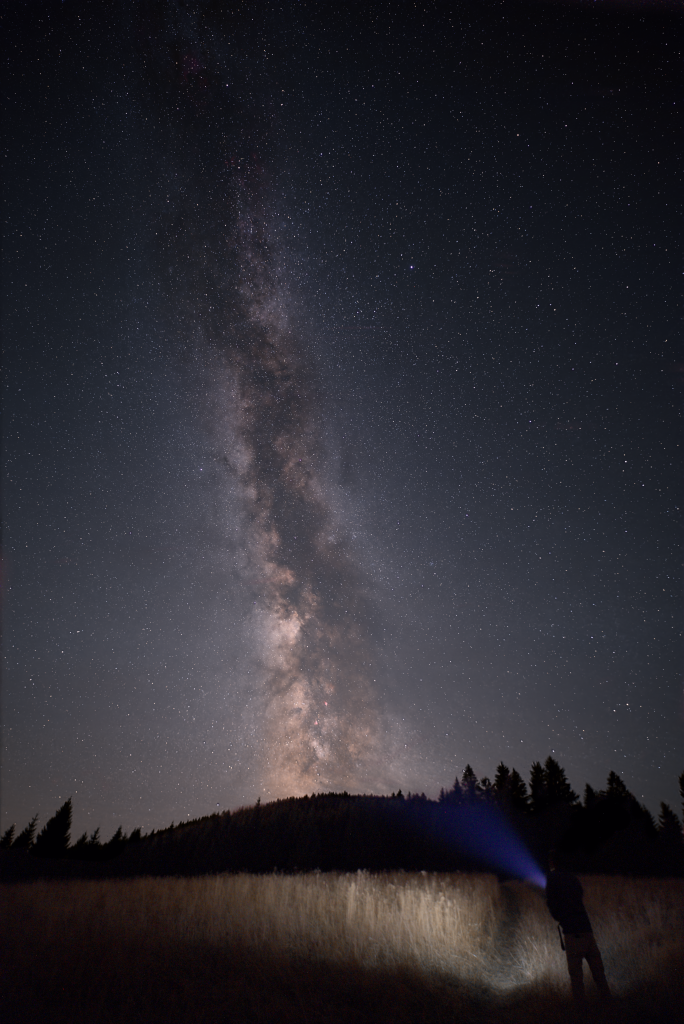
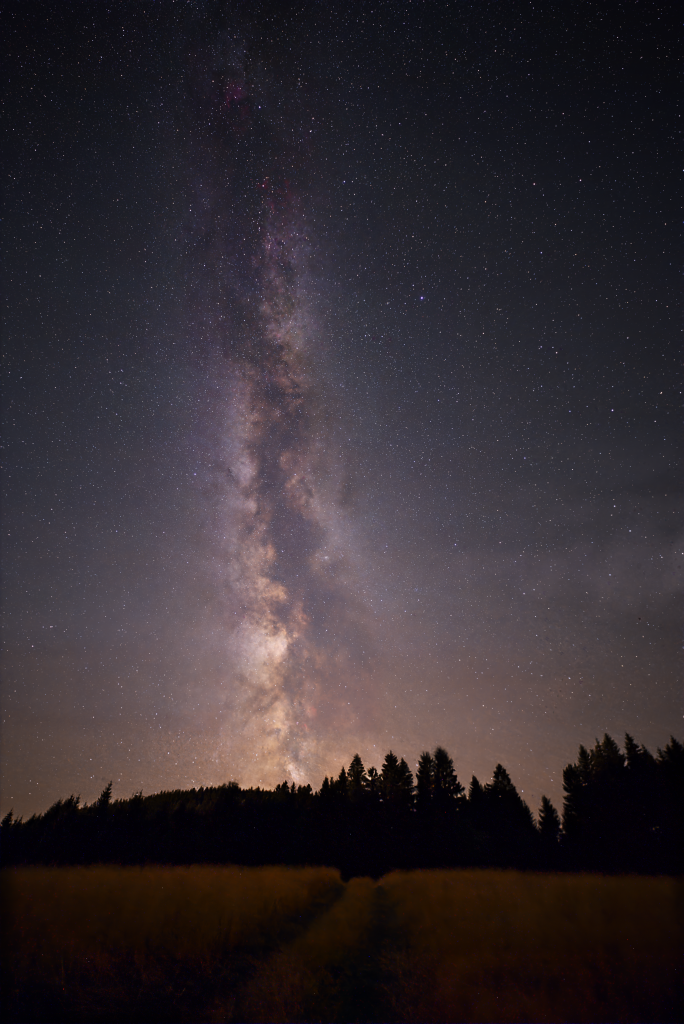
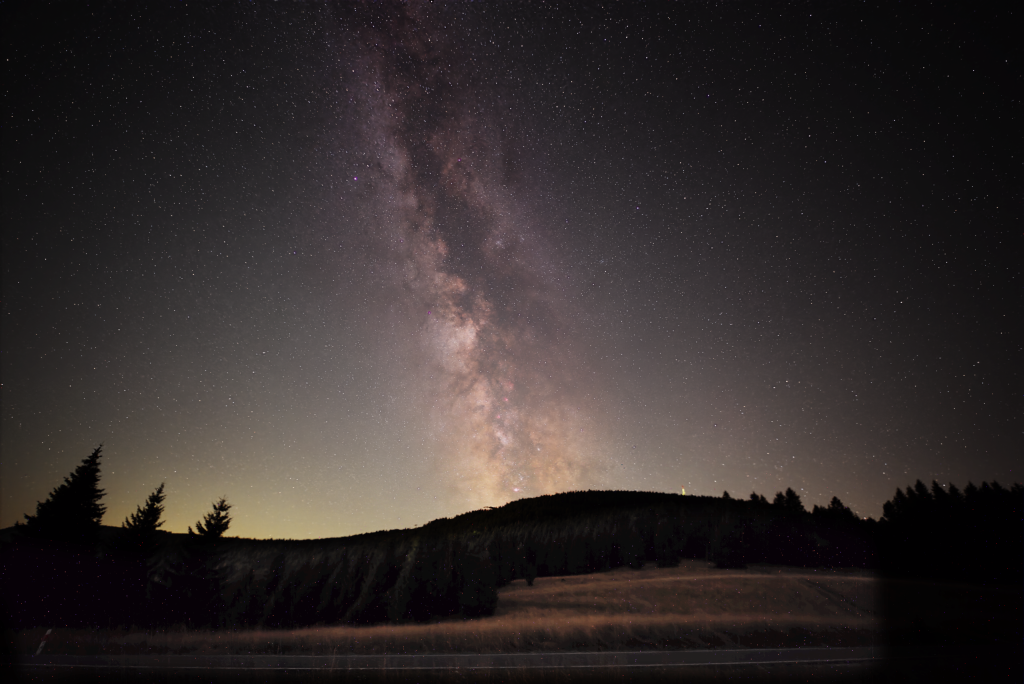
This week we had clear skies with limited moon presence so I was finally able to try a milky way shot.

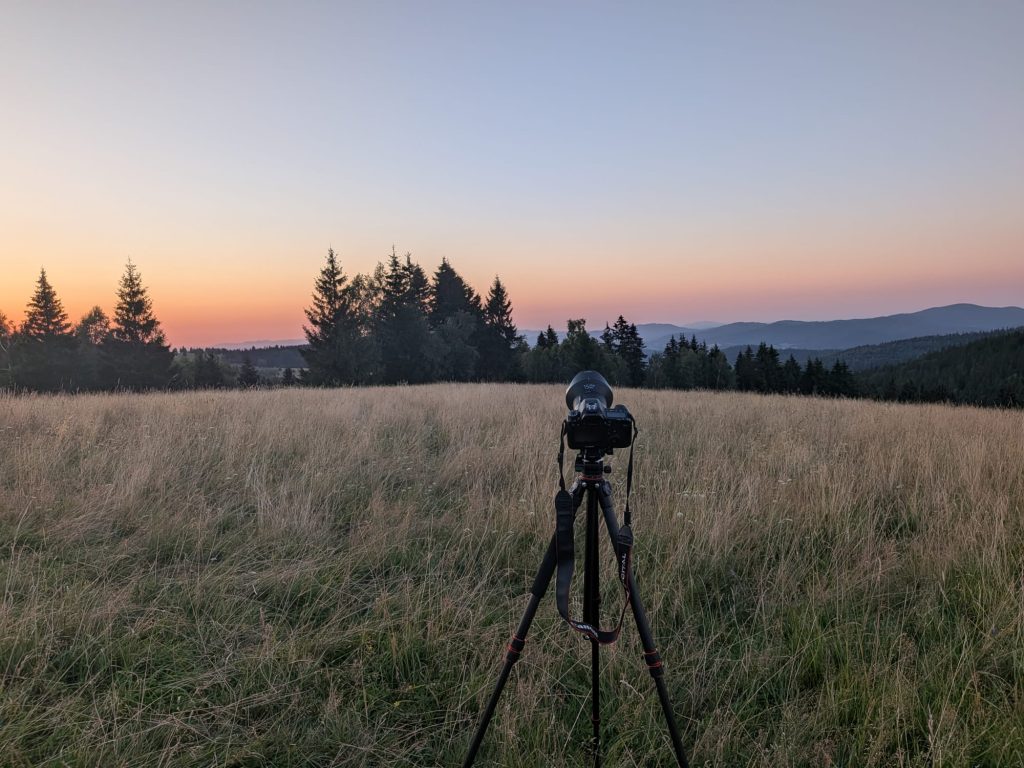
I got the Canon 6D a while ago, I found it cheap on a second hand website and as a bonus it came astromodded with an Irix 15 mm lens.

After a two hour drive I set up in a bortle 4 spot. I did it without too much planning with the hope that the southern horizon would look semi decent.

I’m very pleased with the final result. There are a couple of things that could be improved such as hot pixel removal (I didn’t take any dark frames) and figuring out how to blend a nice foreground with the Milky Way. I should be out again soon for another shot.

Late Spring

Late Spring

And finally a new post.

We’re in that weird twilight period where galaxy season is over but the milky way is still very low.

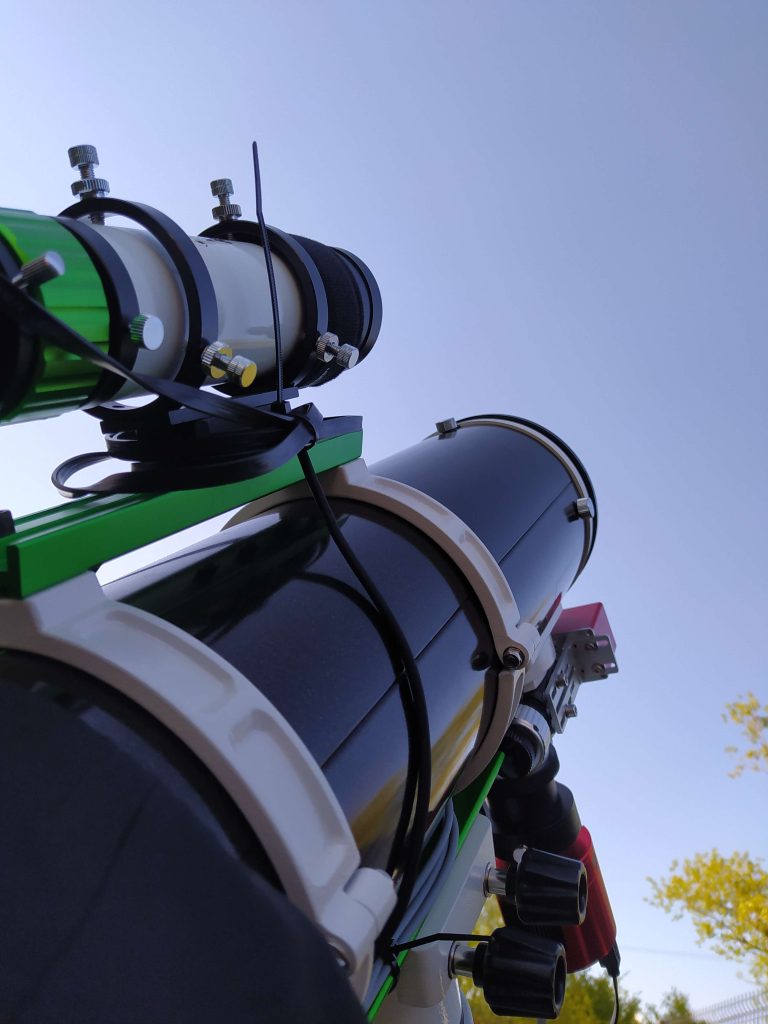
I have some good stuff coming. Got my Canon 6D ready and some ideas for targets with the SQA55.

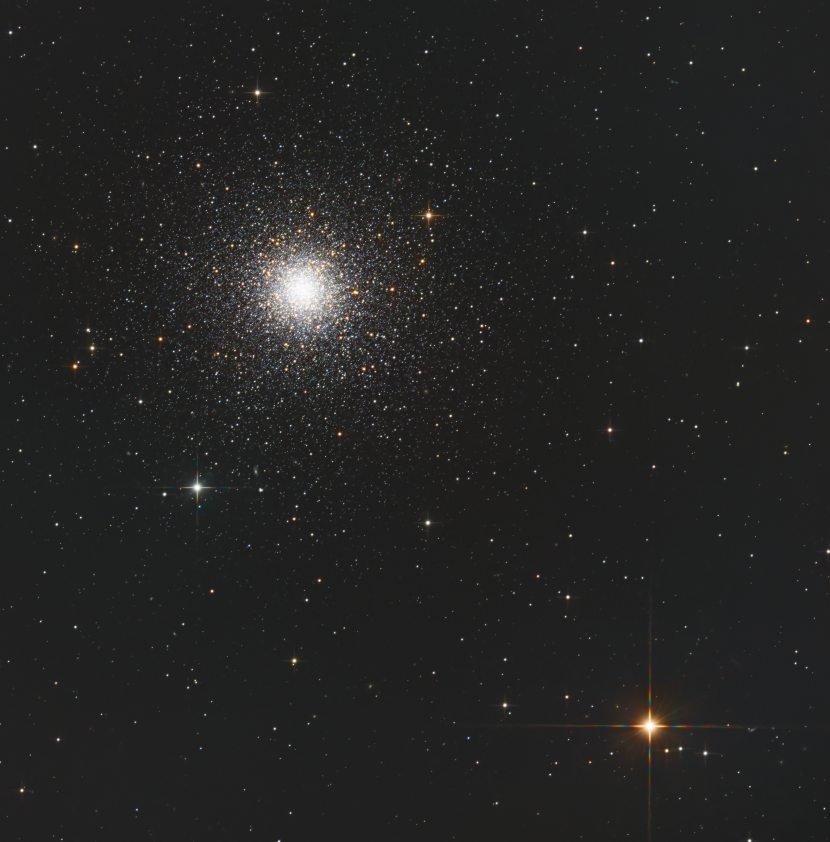
Here is my favorite globular cluster M3 shot with the 130 PDS.

Tulip Nebula

Tulip Nebula

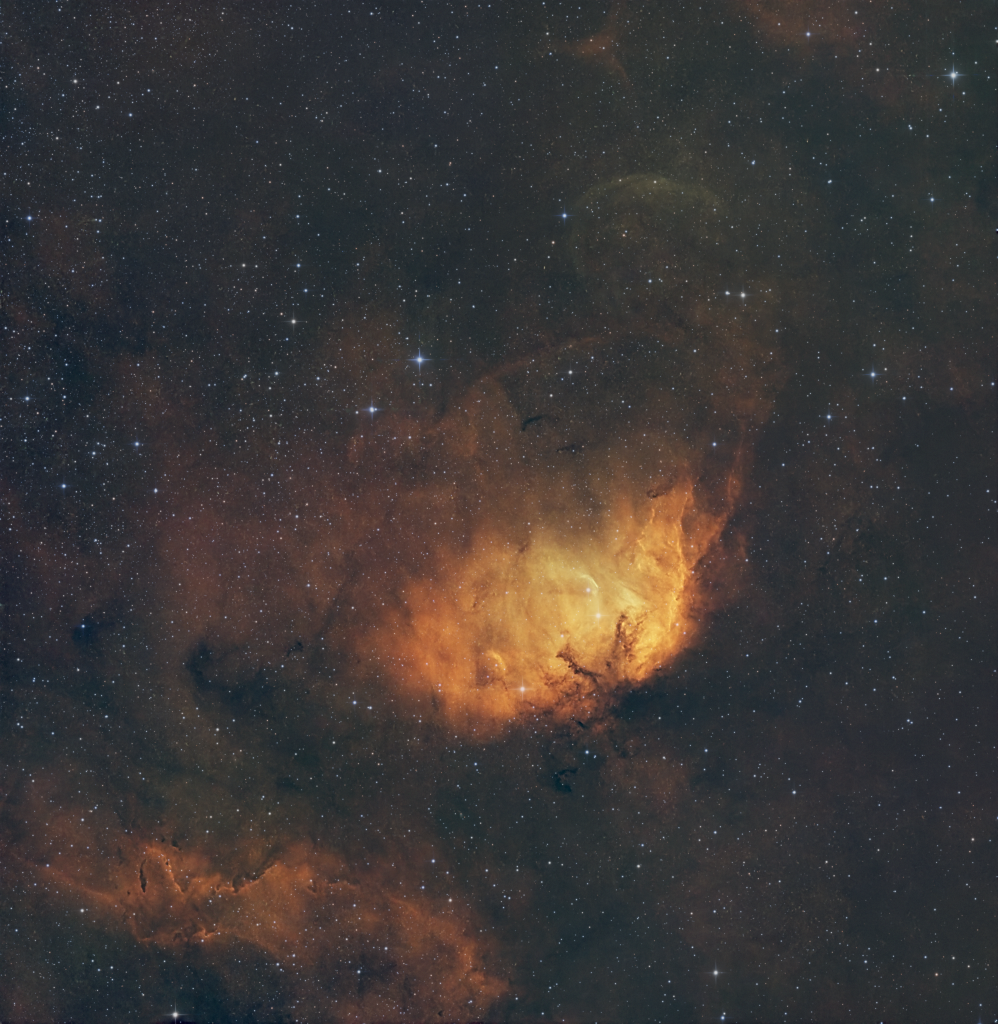
Some more backlog processing. I have about 11 hours of integration time on the Tulip Nebula so I did a quick process to play a bit with the stretching and colors. I imaged this target a few times before, in june 2023 and somewhere last year too. Time flies.

I’ve been so busy with other things that I didn’t figure out yet which targets I want to shoot next. Maybe some planetary stuff?

Summer memories

Summer memories

It’s almost november and I haven’t posted in a while. I had very little telescope time but luckily I have some summer projects still waiting to be processed.

Here is the Clamshell Nebula, another object in Cygnus and a fond memory of the hot summer nights during these rainy october days.

Summer

Summer

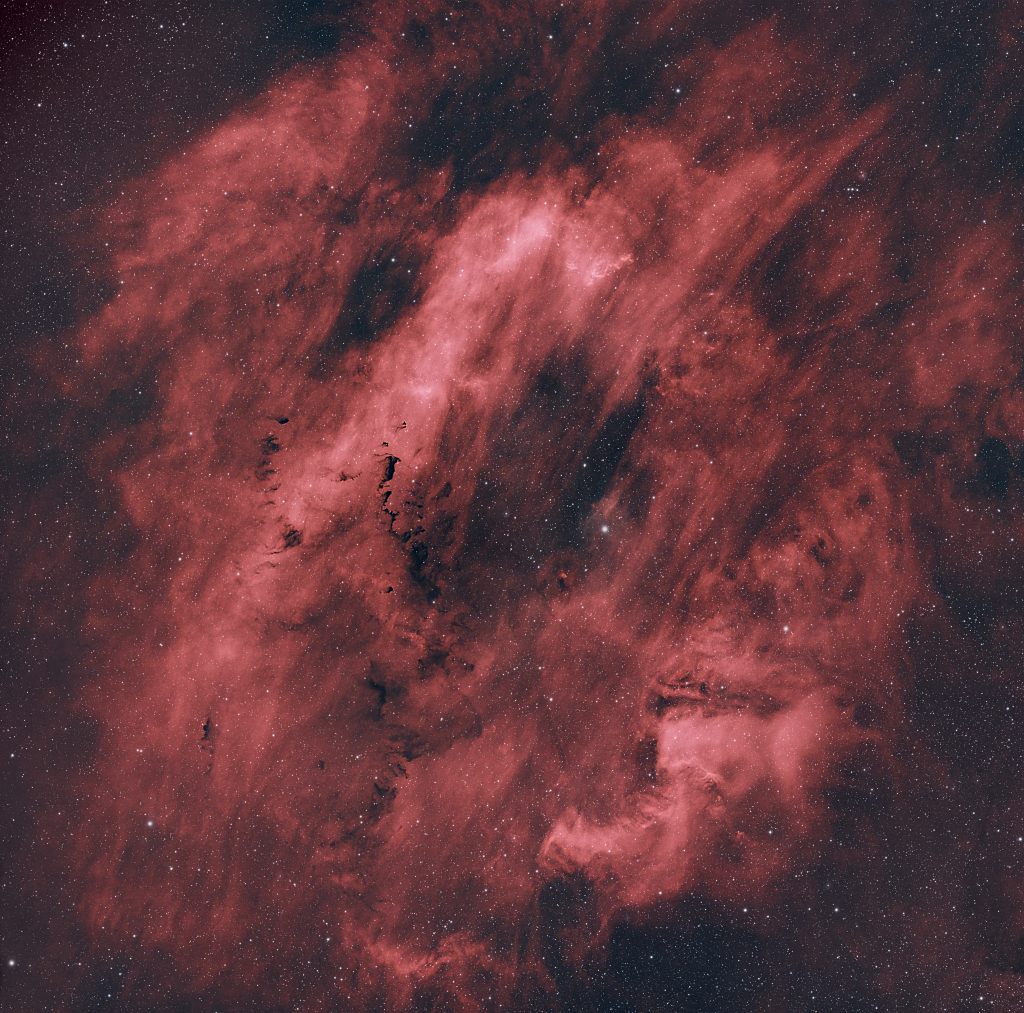
Summer is here! Tropical temperatures, polar alignment routine while being eaten by mosquitos and short nights. It’s probably my favorite time of the year for astro even if the range of objects to observe is bigger in the fall.

The sky in early summer is always so recognizable. By the time Polaris is visible for polar alignment, the summer triangle is up and I slew to Vegas for focusing. Antares glows deep red in the south and Arcturus is fading away in the south-west.

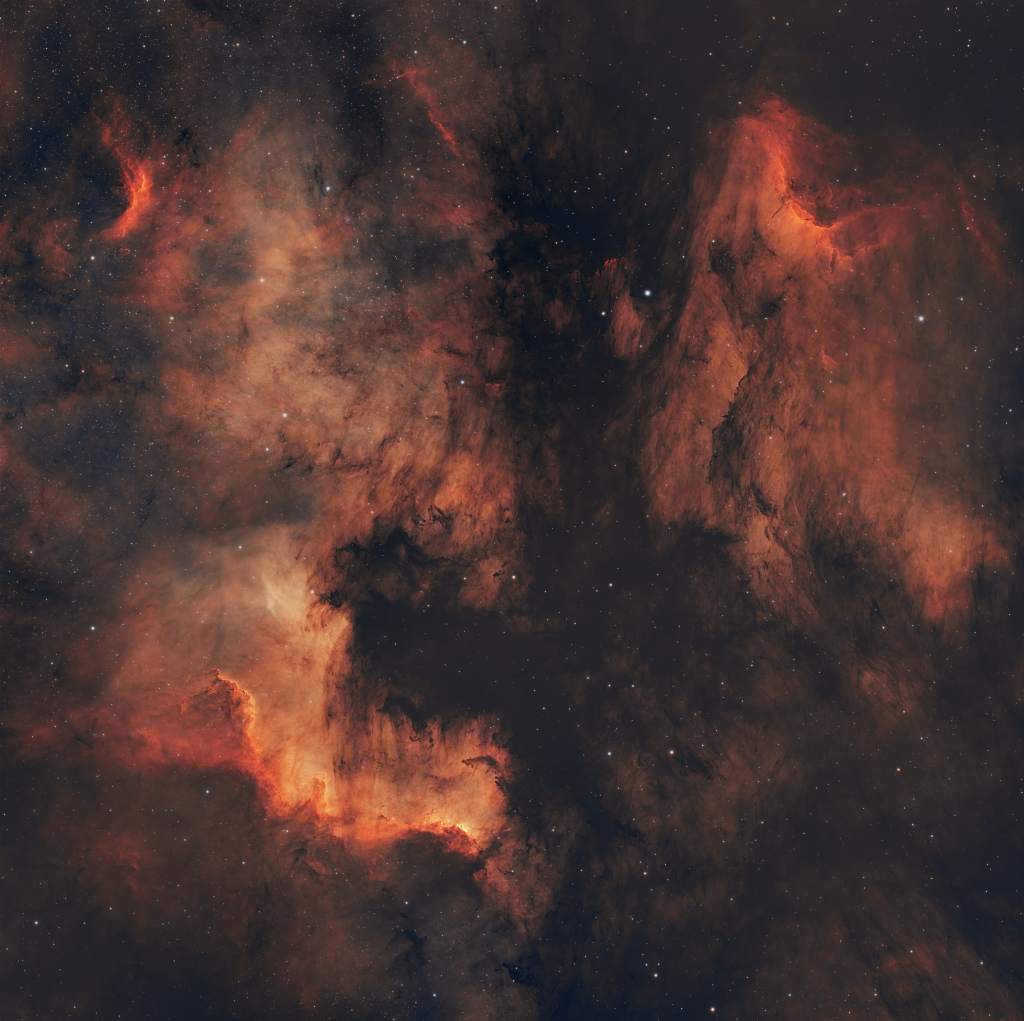
Nothing says hot summer nights more than the NGC7000 region up in Cygnus so here’s about 10 hours shot over 3 days.

The Sadr Region

The Sadr Region

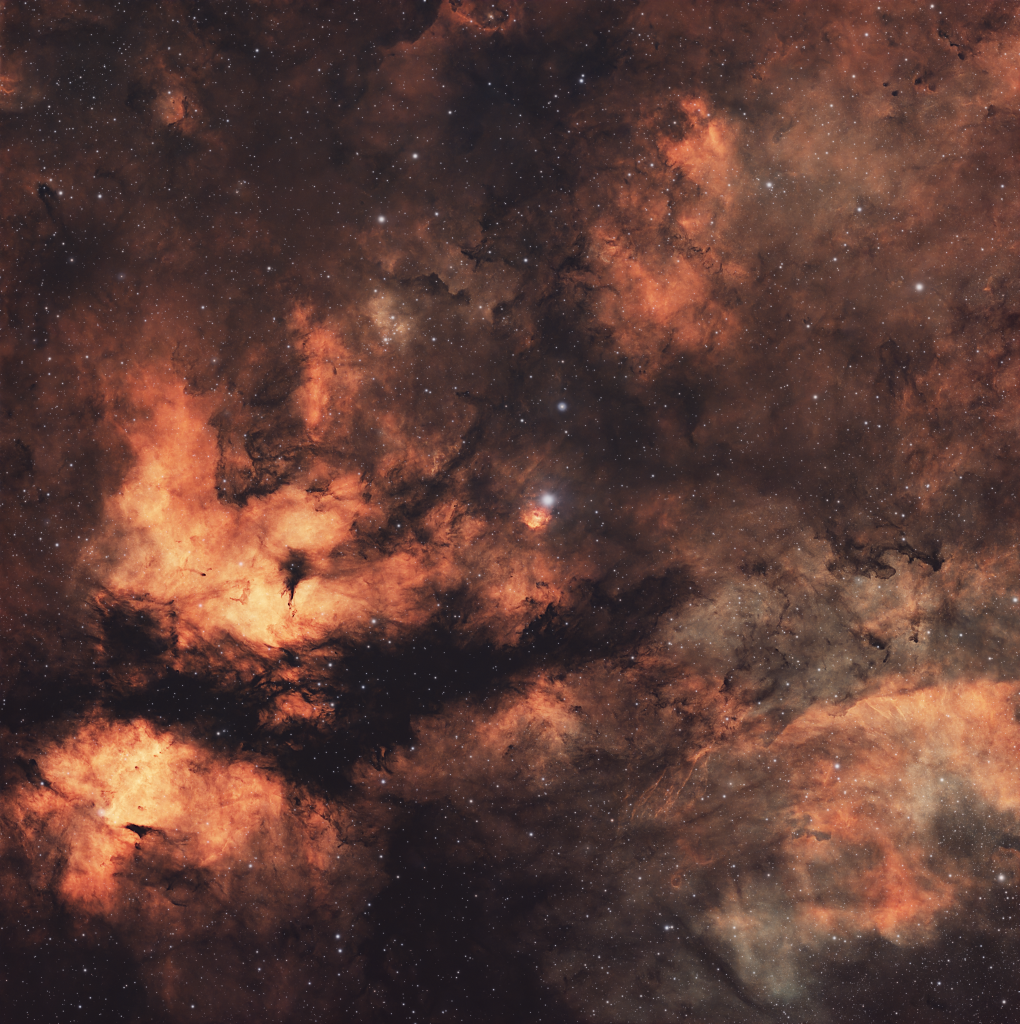
My latest project is a bit over 9 hours on the Sadr region. This nebula surrounding Gamma Cygni has a bit of everything in it from star clusters and dark nebulae to bright emission nebulae. It took me a while to get to this final image and I had to drop about 2 hours of data due to high clouds but I like the final result.

This was shot with the SQA55 and I’m still very happy that I got it. The plug & play nature of a small refractor really helps with busy work & home life as it requires minimal babysitting as opposed to my newtonian.

Lagoon nebula

Lagoon nebula

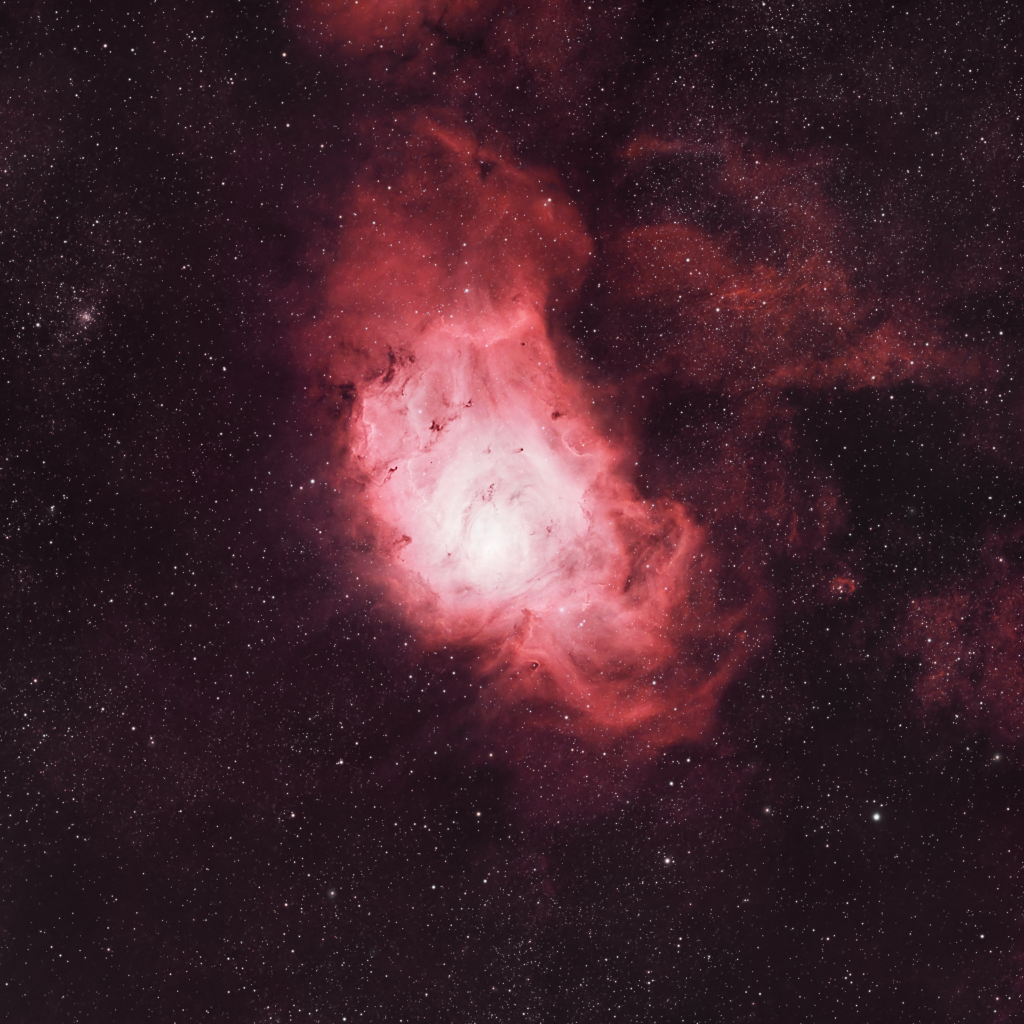
Summer is almost here which means nights are short and true darkness is even shorter, typically between 11 PM and 2.30 AM. On my target list for this year I had the Lagoon Nebula again, after I tried it a couple years ago.

I should probably start considering traveling away from my garden a bit for these low rising objects. Sagittarius never rises very high for me and the bright moon also didn’t help. Still I managed to get about 4.5 hours over 2 nights.

I also finished my Elephant Trunk project, we’ve had rainy days for weeks but I finally managed to complete it.

WIP – Back to nebulae

WIP – Back to nebulae

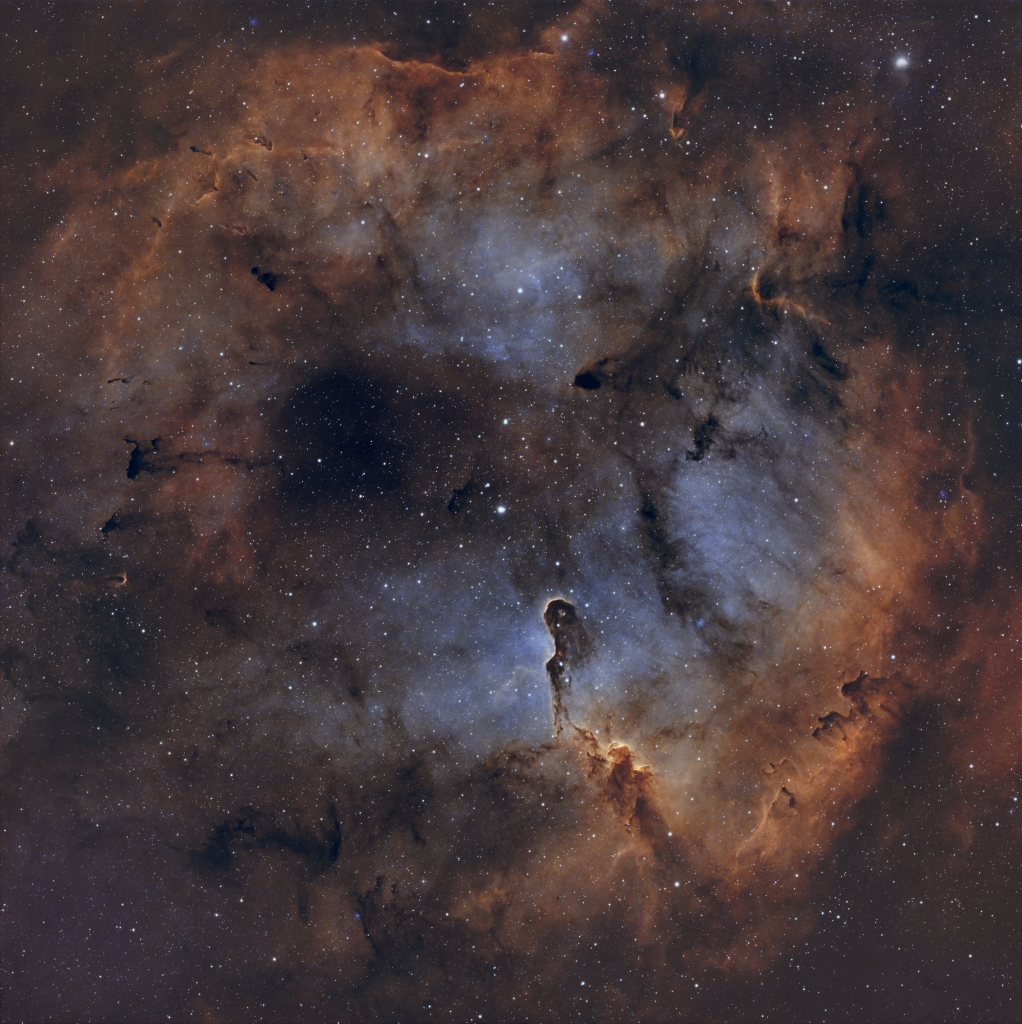
After a couple rainy weeks I got 2 clear nights which I spent imaging the IC1396 region in Cepheus with the famous Elephant Trunk nebula. The nights are getting shorter and at my latitude we’ve lost astronomical darkness now for a while. Still plenty of good time to image though.

This image is the result of 7.5 hours of integration time. It needs some more work, I’d like to double the exposure time and add RGB stars. I don’t always bother with RGB stars but seeing the star Erakis (top right of the image) in a white color due to the narrowband filter is definitely not cool.

With summer upon us I hope to capture some of those lower objects too (such as the Lagoon nebula) but let’s see what’s possible.

Lost suns

Lost suns

The bright white star in the lower middle of this image is HD162826 located in Hercules. There’s a special story behind this star, which looks like just another random star in a sea of trillions with some faint galaxies deep in the noisy background. HD162826 is believed to be a sibling of our own sun born in the same stellar nursery and drifted apart through time.

This discovery was made in 2014 based on the composition, age, orbit and backwards tracking of the star. For now there are no known exoplanets around this sun but who knows what we might find in the future. HD162826 is now 110 light-years away from us.

New moon

New moon

This galaxy, NGC3718 is in my opinion one of the prettiest galaxies in Ursa Major.

I tried imaging this one last year under a near full moon but I wasn’t really satisfied with the result. Here is another 13 hours under new moon conditions. Much better!

This image makes me appreciate my 130 PDS telescope. I keep thinking about upgrading to something bigger and better but sometimes I wonder if I should just continue modding the scope a bit to fix the focuser issues and replace the metal tube with a carbon one.

I do have some new gear coming, a 135 mm Samyang lens for some widefield imaging. Hope to test it soon.